





2024-10-25
What' s the Best Material for Your Exhaust Pipes?
The exhaust system is an essential part of a vehicle’s overall performance, affecting everything from fuel efficiency to engine power. One critical factor in its efficiency and
durability is the type of metal used. In this blog, we’ll explore the most popular metals for exhaust systems and help you determine the best material for your vehicle.
1. Key Factors to Consider for Exhaust System Metals
When choosing the right metal for your exhaust system, consider the following factors:
- Heat Resistance: Exhaust systems handle extremely high temperatures, so the metal must withstand heat without degrading.
- Corrosion Resistance: The system is exposed to moisture, road salt, and other elements that can cause rust and corrosion.
- Durability: A good metal should resist wear and tear over time, reducing the need for frequent replacements.
- Cost vs. Performance: While performance is important, budget also plays a role in selecting the right material.
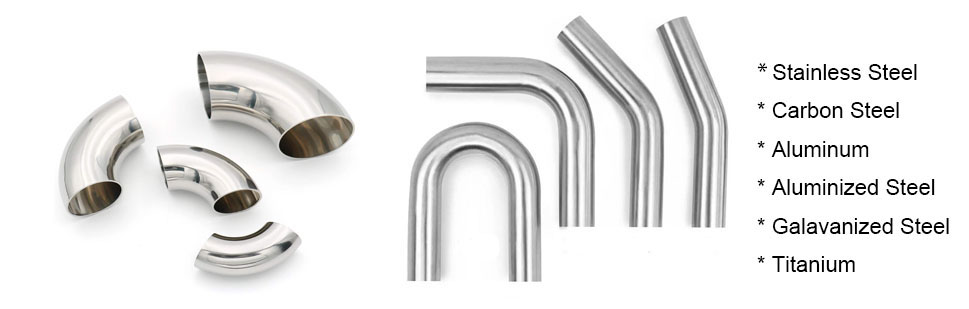
2. Common Metals Used in Exhaust Pipes
a) Mild Steel Pipes
- Pros:
- Affordable and widely available.
- Easy to fabricate and weld.
- Cons:
- Poor resistance to rust and corrosion, especially in harsh climates.
- Shorter lifespan compared to other materials.
- Best For: Budget-conscious car owners or vehicles in dry, warm climates where rust isn’t a major concern.
b) Aluminized Steel Pipes
- Pros:
- Mild steel coated with aluminum-silicon alloy to increase rust resistance.
- More durable than regular mild steel but still relatively inexpensive.
- Cons:
- Not as corrosion-resistant as stainless steel.
- Limited lifespan in environments with heavy road salt exposure.
- Best For: Daily drivers looking for a balance between cost and durability.
c) Stainless Steel Pipes
Stainless steel is by far the most popular material for high-performance exhaust systems. There are different grades, each with specific characteristics:
-
T409 Stainless Steel:
- Pros: Affordable and offers good resistance to rust and corrosion.
- Cons: Prone to surface rust over time.
- Best For: Mid-range exhaust systems for cars that see occasional exposure to harsh conditions.
-
T304 Stainless Steel:
- Pros: High-grade stainless steel with excellent corrosion and heat resistance. It retains its shine and does not rust easily.
- Cons: Higher cost compared to T409 or other metals.
- Best For: Performance enthusiasts or those looking for long-lasting, premium exhaust systems.
d) Titanium Pipes
- Pros:
- Extremely lightweight compared to steel, reducing overall vehicle weight.
- High resistance to heat and corrosion.
- Used in racing and high-performance vehicles.
- Cons:
- Expensive and difficult to fabricate.
- Best For: Racing or high-performance cars where weight reduction and performance are critical.
3. Comparing Metal Properties
To help you decide, here’s a quick comparison of the metals based on key properties:
| Metal | Heat Resistance | Corrosion Resistance | Durability | Cost |
|---|---|---|---|---|
| Mild Steel | Medium | Low | Low | Low |
| Aluminized Steel | Medium | Medium | Medium | Low |
| T409 Stainless | High | Medium | High | Medium |
| T304 Stainless | Very High | High | Very High | High |
| Titanium | Very High | Very High | Very High | Very High |
4. Which Metal Should You Choose?
- For Everyday Use: If your vehicle is primarily for daily commuting, T409 stainless steel or aluminized steel offers a good balance between cost and performance.
- For High Performance: If you’re seeking high performance and longevity, particularly for sports or modified cars, T304 stainless steel or titanium is your best bet.
- For Budget-Friendly Options: Mild steel is the most affordable option but is better suited for dry climates where rust isn't a big concern.
Conclusion
Choosing the right metal for your exhaust system depends on your driving habits, the environment you drive in, and your budget. While titanium and high-grade stainless
steels offer the best performance and durability, aluminized steel and mild steel are cost-effective options for everyday use. Assess your needs and vehicle demands to pick
the material that will serve you best in the long run.